
|
Published on:
October 9, 2026
6 Ways Digital Ordering Helps C-Stores Grow Their Foodservice Business
Learn how convenience stores can use digital transformation—apps, online ordering, loyalty, and data—to improve operations and customer experience.
Driven by expanding fresh food programs, high-speed execution, and competitive pricing, c-stores are rapidly morphing into everyday dining destinations. According to Tillster’s 2026 Phygital Index Report, 33% of consumers are visiting convenience stores more frequently for food than they did a year ago.
That shift is a real opportunity. C-stores that invest in mobile ordering, self-service kiosks, AI personalization, and unified customer data can sell more food, serve guests faster, and keep them coming back, all with the lean crews they already have.
Here are six reasons digital transformation belongs at the top of every c-store leader's list.
#1 Guests tired of delivery fees want to order ahead and pick up
61% of diners have walked away from a delivery order because the fees felt too expensive, and 47% now choose to pick up at the store instead of using a third-party app. Those guests still want speed. They just don't want to pay a markup for it.
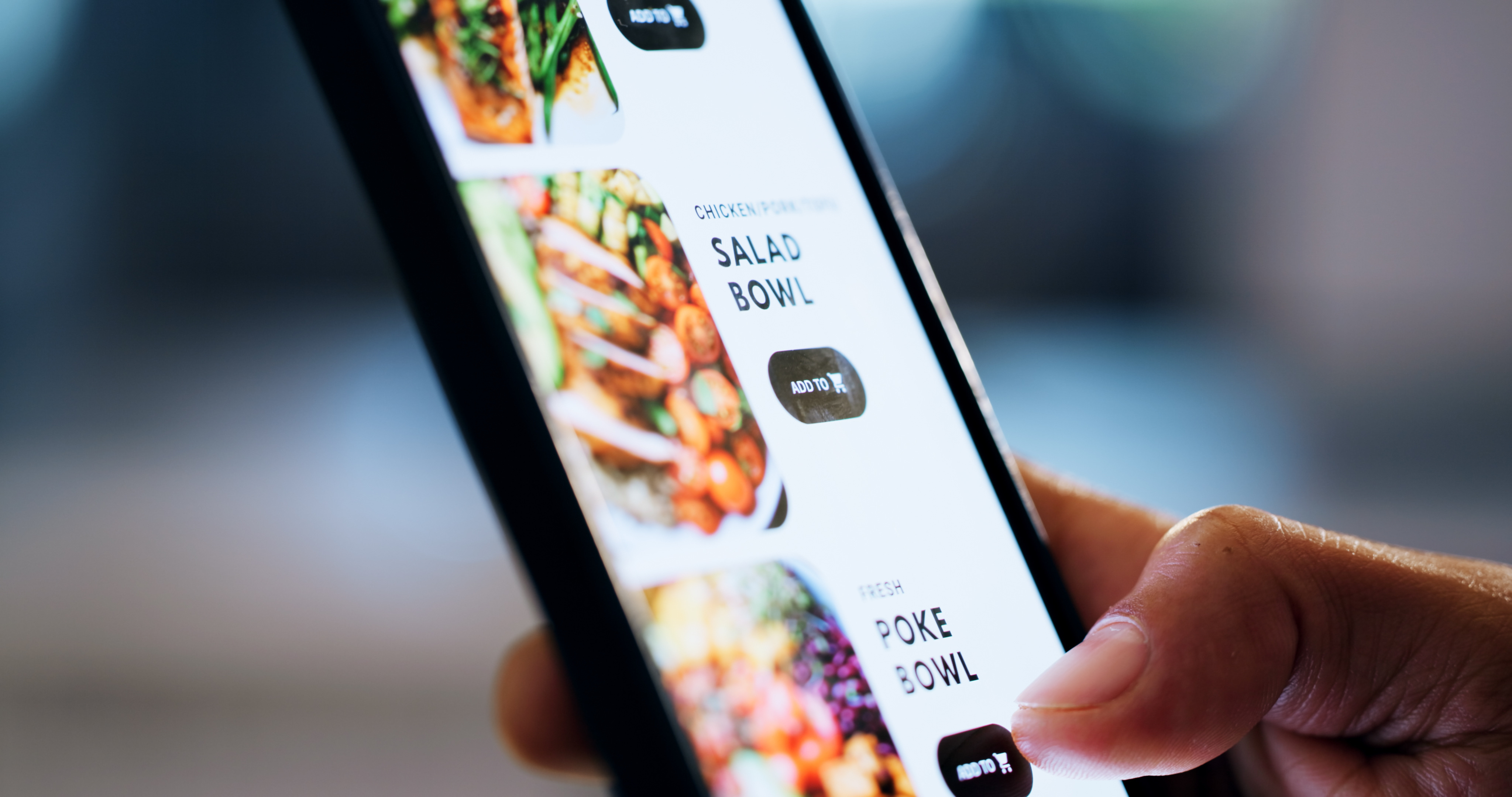
C-stores are built for this. Most sit on busy corners with easy parking, and a big share of guests are already stopping for fuel. With order-ahead, guests order and pay in the app or online, and the store can start making the food as they get close. They skip the register line, head straight to the food pickup counter, and walk out with their order. Some chains go a step further with curbside, bringing the order right out to the car.
For example: A morning commuter orders two breakfast burritos from his truck on the way to a job site. By the time he's done fueling, the ready alert has come through. He walks in, grabs the bag off the pickup shelf, and heads back out, already paid, without waiting behind the line at the register.
The store captures the full sale with no delivery commission, and the guest gets hot food without a delivery markup or a wait in line.
#2 Integrated delivery brings in new customers without adding work
Pickup isn't the whole story. Marketplaces like DoorDash, Uber Eats, and Grubhub put c-stores in front of customers who might never have thought of them for dinner or a late-night snack run. The trouble starts at the counter. A separate tablet for every app means staff re-keying orders into the POS, missed tickets, and more devices on a counter that's already crowded.
An integrated setup sends marketplace orders straight into the store's POS, right alongside orders from the brand's own app and website.
Tillster connects the major marketplaces directly to the store's POS, so orders arrive already paid and labeled by source, and staff never have to re-key them. The brand manages one menu, and Tillster keeps prices, item availability, and store hours in sync across every channel, so customers can't order something the store has run out of. That means less manual work at the counter, fewer order errors, and more time for staff to help customers in the store.
For example: It's Friday night, and orders are coming in from three marketplaces and the brand's own app: a large pepperoni with wings, another pizza with chips and a two-liter, and a few snack-and-drink runs with no hot food at all. Instead of three tablets chiming at once, every order lands in the POS in the same format. The kitchen sees what to cook, the associate sees what to pull from the shelves, and no one has to retype a ticket.
The store gets the reach of the marketplaces without the labor and error rate that usually come with them.
#3 Kiosks raise check size and shorten the register line
For c-stores with made-to-order food programs, the counter can become a bottleneck during the morning and lunch rush.
Self-service kiosks take pressure off the counter and lift sales at the same time. Guests can customize at their own pace: 76% of kiosk users order more items than they planned, and on-screen upsells drive an average ticket increase of 26%. Kiosks also cut down on mistakes, since 36% of diners prefer them because they can review their order before paying.
Today's kiosks are built to fit tight c-store floor plans and support card and contactless payment, QR scanning for loyalty, and cash where needed. Multiple languages (including right-to-left scripts), ADA accessibility modes, and allergen and nutrition info make ordering easier for more guests.
For example: It's 7:15 a.m., and the register line is full of people paying for fuel, energy drinks, and snacks. A guest who wants a made-to-order breakfast sandwich doesn't have to wait behind them. She builds it at a countertop kiosk, scans her loyalty code, accepts a prompt to add a hash brown, and pays right there. The order goes straight to the kitchen, and she picks it up at the food counter a few minutes later.
The register line moves faster, and the food program earns a bigger ticket on every kiosk order.
#4 Loyalty apps can turn fuel customers into food customers
According to eMarketer, over 60% of convenience stores run a loyalty program, and many have spent years building app audiences around fuel rewards and store perks. Sending those guests to a separate ordering site or a clunky web overlay breaks the experience and weakens the brand.
Embedding order-ahead directly in the existing loyalty app keeps everything under one roof. A single guest profile syncs saved favorites, payment methods, delivery addresses, and points balances across the app, web, kiosk, and counter. One wallet QR code lets guests earn, redeem, and pay whether they're at the pump, on their phone, or at an in-store kiosk.
For example: A guest opens the app to activate her fuel discount and sees the made-to-order menu right beside it. She reorders last week's chicken sandwich in two taps, pays with her saved card, and earns points on both the fuel and the food. She came for gas and left with lunch.
The brand turns fuel-only customers into food customers using an app they already have on their phones.
#5 Personalized offers bring regulars back for less
Basic points and punch cards are losing their pull. Guests expect offers that reflect what they actually buy, and that takes connected data. When ordering, loyalty, and in-store transactions feed one customer data platform, c-stores can segment guests by real behavior instead of guessing.
That data powers two things in particular:
- Recommendations in context. AI weighs the time of day, what's in stock at that store, and what's already in the basket to suggest a relevant add-on, like a hash brown with a morning coffee or a limited-time snack in the afternoon.
- Win-back before the habit breaks. Machine learning spots regulars whose visits are slipping and automatically sends a targeted offer, such as a short-window wallet offer, before they drift to a competitor.
For example: A guest who bought coffee four mornings a week hasn't been in for ten days. Instead of showing up later in a churn report, she gets a free-pastry-with-coffee offer that expires in seven days. She redeems it Thursday and slides back into her routine.
Targeted offers cost less than store-wide discounts, and they reach the guests most likely to respond.
#6 The right tools let a small crew run a busy food program
As food programs grow, c-stores face the same pressures as any quick-service kitchen: made-to-order menus, rush-hour peaks, and guests who expect accurate orders fast. They also sell age-restricted products, and many run several food concepts under one roof. The right digital setup handles all of it:
- Age-restricted items like alcohol are flagged in the app and on the kiosk, prompting an ID check by staff.
- Made-to-order builders walk guests through subs, pizzas, and breakfast bowls step by step, with modifier rules, portion limits, and real-time pricing.
- Inventory sync with the store's POS and inventory systems greys out sold-out items across kiosk, web, and app when the store runs out.
- Prep-time controls adjust promised pickup times and throttle incoming orders during rushes so the kitchen doesn't get buried.
- Multi-brand support lets travel centers with several food concepts under one roof run each brand as its own store, with every order routed to the right kitchen.
- Local resilience keeps kiosks and order terminals taking orders and sending tickets to the kitchen over the in-store network, even if the internet connection drops.
For example: At noon, the kitchen runs out of chicken tenders. Staff mark them sold out at the POS, and Tillster syncs the change to every digital menu (kiosk, web, app, and delivery), so no one has to update each channel by hand. Orders that slip through in the meantime get flagged before they reach the kitchen line.
Fewer refunds and a team that can keep up when the store is busiest.
The bottom line
Convenience stores have earned a real place in the foodservice market. Digital ordering, delivery integration, kiosks, connected loyalty, and c-store-ready operations help them keep it and turn first-time food customers into regulars.
Tillster provides ordering, kiosk, delivery integration, and loyalty tools for restaurant and convenience brands.
Talk to our team to see how digital transformation could work for your stores