
|
Published on:
October 1, 2026
|
Published on:
October 1, 2026
How to Evaluate a Restaurant Loyalty Program
6 capabilities to look for in a restaurant loyalty platform, from omnichannel rewards and personalization to analytics, scalability, and security.
A strong restaurant loyalty program turns occasional guests into repeat customers, improves retention, and drives higher customer lifetime value, all while making every interaction with your brand more rewarding.
But the wrong platform can undermine those goals. Disconnected systems create frustrating redemption experiences. Restaurant rewards and promotion programs built on generic discounts erode margins without changing customer behavior. Siloed data leaves valuable insights untapped, making it harder to understand what actually brings guests back.
The difference comes down to choosing a loyalty platform that connects customer data, digital ordering, and personalized engagement while giving you the tools to build flexible programs, target guests more precisely, and measure what actually drives profitable repeat behavior.
Here’s what to evaluate before you invest.
#1 Omnichannel loyalty and POS integration
Whether they're using a mobile app, website, self-service kiosk, or in-store register, a guest’s loyalty experience should be easy to use wherever they order.
When evaluating a platform, look for:
- Omnichannel earning and redemption: Guests can earn points, track rewards, and redeem offers across all supported ordering channels.
- POS integration: Loyalty balances and redemptions sync with in-store transactions without creating extra work for employees.
- Flexible redemption: Guests can apply rewards directly to their orders without restarting checkout or navigating complicated processes.
- Consistent account recognition: Guest information and rewards remain accessible as customers move between digital and in-person experiences.
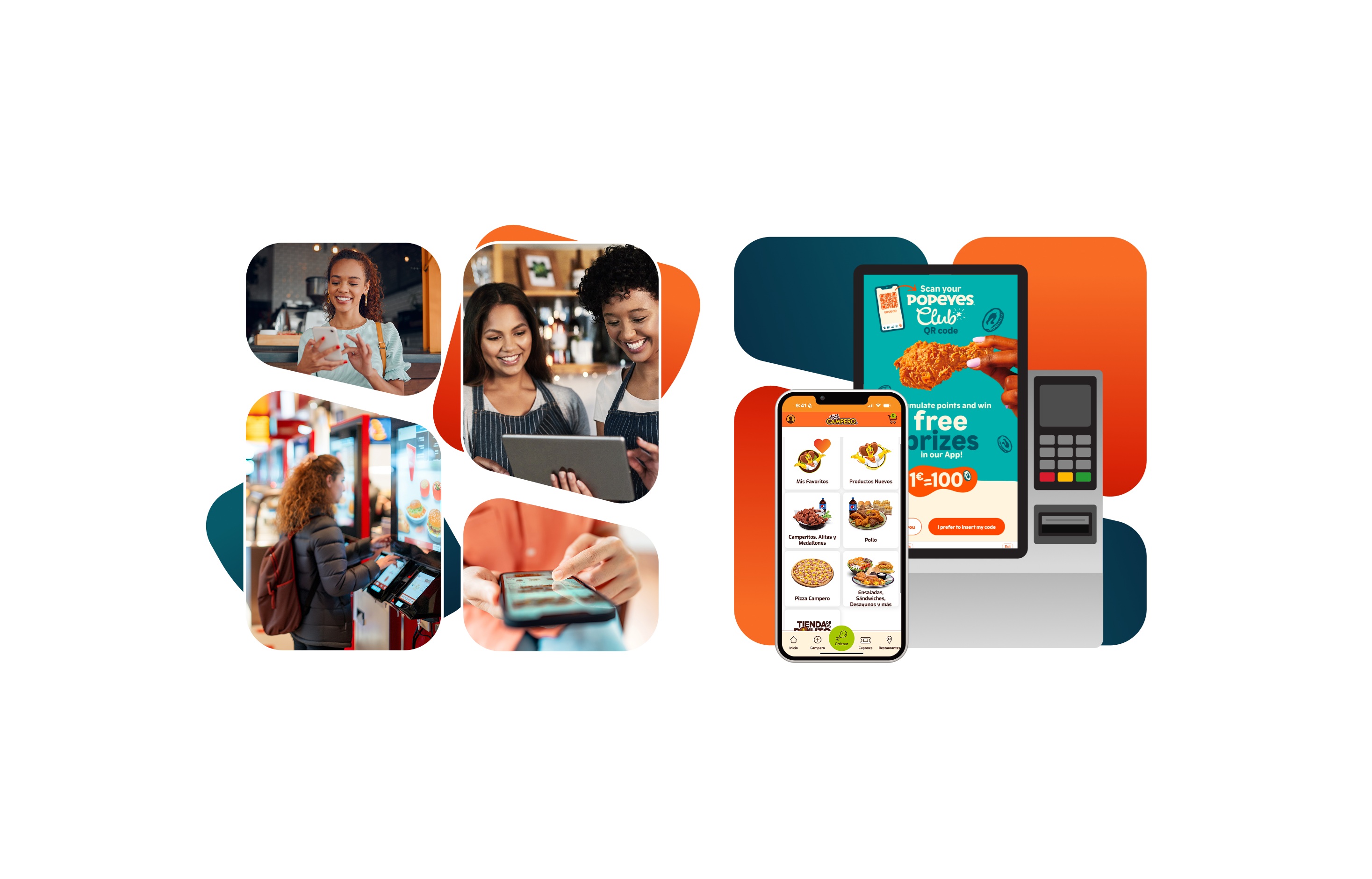
For example: A guest earns points ordering through your mobile app, then visits a restaurant the following week and redeems a free entrée at a kiosk using a QR code or short code. Their points balance updates automatically, and they can customize their reward with paid add-ons.
#2 Flexible rewards and promotions management
A loyalty platform should adapt to your brand and your business goals, not force you into a one-size-fits-all method of operating. The right solution gives you the flexibility to reward meaningful behaviors while protecting your margins.
Look for capabilities such as:
- Flexible program structures: Support for points, visit-based rewards, digital punch cards, and tiered loyalty programs.
- Customizable promotions: Create BOGO deals, bundles, free-item rewards, and exclusive offers with specific spending thresholds.
- Menu-aware rewards: Allow guests to customize redeemed items with paid add-ons, turning a free reward into an opportunity for incremental revenue.
- Promotion controls: Set expiration dates, redemption limits, and restrictions to prevent offer stacking or misuse.
For example: Instead of offering every guest 20% off, your restaurant could reward customers who spend $25 with a free side. Incentives like these encourage larger orders while giving you greater control over promotional costs.
#3 Customer data, segmentation, and personalization
Loyalty becomes more valuable when you can use customer data to decide who to target, what to offer, and when to engage them. A strong platform should bring guest behavior into a unified view, make it easy to build meaningful segments, and turn those insights into personalized rewards, recommendations, and communications.
Look for capabilities such as:
- Unified customer profiles: Connect purchase history, ordering behavior, and engagement data across channels through an integrated customer data platform (CDP).
- Advanced segmentation: Group guests by order frequency, average spend, favorite products, or time since their last visit.
- AI-powered recommendations: Suggest relevant menu items and offers based on individual preferences and purchasing patterns.
- Automated engagement: Trigger personalized messages (via in-app messages, push notifications, or emails) for milestones, birthdays, abandoned carts, or guests who haven't ordered recently.
For example: A guest who typically spends $15 per order could receive “Spend $20, get a free dessert,” nudging them to add another item to their basket. A guest who already spends $35, however, might receive “Spend $40, get $5 off your next order,” creating a higher threshold that encourages incremental spend without rewarding behavior they would have taken anyway.
The right platform makes customer data actionable, helping restaurants deliver rewards that feel relevant while making promotional spending more strategic.
#4 Loyalty analytics and performance reporting
Personalization is only valuable if you can tell whether it is changing behavior. A loyalty platform should give you clear visibility into which campaigns, rewards, and customer segments are driving incremental visits, higher spend, and stronger retention.
Look for reporting capabilities that track:
- Member engagement: Enrollment, active participation, and reward redemption rates.
- Purchase behavior: Order frequency, average order value (AOV), and customer lifetime value (CLV).
- Campaign performance: Which offers drive repeat visits, incremental purchases, and profitable conversions.
- Program costs: Reward expenses, outstanding points, and promotional impact on margins.
For example: A campaign might generate thousands of redemptions, but if most customers would have purchased anyway, its incremental value may be limited. Comparing results against a control group can help determine whether the promotion actually influenced purchasing behavior.
#5 Enterprise scalability and multi-location management
A loyalty platform should support your restaurant's growth without requiring you to rebuild as you expand. For multi-location and franchise brands, that means balancing centralized oversight with the flexibility to meet local needs.
Look for capabilities such as:
- Multi-location management: Manage loyalty programs, reward rules, and promotions across locations from a centralized platform.
- Localized campaigns: Tailor offers by region, restaurant, or daypart while maintaining brand consistency.
- Role-based permissions: Give corporate teams, regional managers, and franchisees appropriate levels of access.
- Flexible integrations: Connect with existing POS systems and third-party technologies without being locked into a rigid technology stack.
For example: A national restaurant chain could launch a company-wide loyalty campaign while allowing individual franchisees to offer double points during slower weekday afternoons.
The right platform should provide the control needed to maintain a consistent brand experience and the flexibility to adapt as your business evolves.
#6 Security, fraud prevention, and platform reliability
Every loyalty platform needs to protect customer information, prevent reward misuse, and perform reliably during peak ordering periods. Just as importantly, your technology partner should provide the support needed to keep your program running smoothly.
Key considerations include:
- Data security: Protect customer information through encryption, secure authentication, and appropriate data-handling practices.
- Fraud prevention: Detect suspicious activity and enforce redemption limits to prevent duplicate rewards, unauthorized point adjustments, and promotion abuse.
- Platform reliability: Maintain consistent performance during high-volume ordering periods.
- Implementation and support: Look for dedicated onboarding, technical assistance, and ongoing guidance to help optimize your program.
Before committing, ask prospective providers about their security practices, service-level agreements, implementation timelines, and ongoing support model. A loyalty platform is a long-term investment, and the partnership behind it matters as much as the technology itself.
Build a loyalty program that drives more value
Rather than treating loyalty as a standalone program, look for a platform that makes it part of the entire guest experience—from the first order to the next personalized offer. The right technology should make it easier to understand your customers, deliver meaningful incentives, and turn everyday transactions into lasting relationships.
Ready to make your loyalty program work harder?
Popular Blogs


Restaurant loyalty program FAQs
What makes a restaurant loyalty program successful?
The strongest customer loyalty programs reward behavior you actually want to change — a second visit that week, a larger basket, a return after a lapse — rather than discounting purchases guests would have made anyway. That requires unified customer data and the ability to segment, not just a points-based loyalty program running the same offer for everyone.
The second factor is friction. If guests can't earn and redeem across app, web, and kiosk without restarting checkout, enrollment numbers will look fine while participation quietly stalls.
How do restaurants keep loyalty members engaged over time?
Enrollment is the easy part; participation is where most loyalty programs for restaurants fall off. Automated, behavior-triggered outreach through push notifications and email marketing — milestone rewards, lapsed-guest offers, birthday incentives — consistently outperforms a monthly blast to the whole list.
Gamification and experiential rewards can extend engagement beyond discounts: challenges, streaks, early access to new menu items, or invitations to VIP events. These tend to build brand loyalty at a lower margin cost than straight discounting, since the reward isn't always a price cut.
Should we use points, tiers, or visit-based rewards?
It depends on visit frequency. Point systems work well when guests order often enough to see a balance grow. Visit-based rewards and digital punch cards suit simpler menus and shorter purchase cycles. Tiered membership adds status and exclusive rewards at the top, which tends to lift spend among your most frequent guests.
Many brands run a combination.