
|
Published on:
July 24, 2026
|
Published on:
July 24, 2026
How Diner Behavior is Changing in 2026: Tillster Phygital Index Report
Discover how diner behavior is changing in 2026 with insights from Tillster’s latest Phygital Index Report—exploring changes in loyalty, value expectations, and digital ordering.
The dining landscape has fundamentally fractured, and the traditional rules of restaurant loyalty are breaking down. The "default" restaurant choice is dead, and relying on last year's assumptions will cost operators market share.
Today, budget considerations are colliding with rising consumer expectations, forcing diners to constantly reassess what feels “worth it”. At the same time, the boundaries between digital and in-person experiences—and the lines between traditional restaurants and non-traditional competitors—are completely dissolving. If your technology stack is fragmented, creating inconsistent menus and disconnected ordering flows, you are actively undermining guest trust and driving them away.
To understand these shifting behaviors, Tillster surveyed over 2,000 U.S. diners for our 2026 Phygital Index Report, uncovering exactly how digital innovation and changing expectations are separating the winners from the losers.
#1 The end of “default” loyalty and the rise of non-traditional competitors
Habitual loyalty is rapidly eroding. In the past year alone, 45% of diners say their favorite restaurant chain has changed—a massive jump from just 33% in 2025
Traditional fast-food and fast-casual brands are bleeding visits to unexpected places, with 36% of diners visiting grocery chains more frequently, and 33% increasing their visits to convenience stores.
To fight back, restaurant operators must recognize that c-stores aren't just winning on speed—they are winning on execution. In fact, 44% of diners say c-stores provide better quality food than fast-food and fast-casual chains.
Restaurants can no longer rely on routine; they must actively differentiate their food quality and loyalty programs to compete for these shifting, cross-category meal occasions. The financial payoff for getting this right is massive, as 74% of diners end up spending additional money (such as adding items or upgrading) when redeeming a free loyalty item.
However, to unlock this revenue, brands must stop relying on the static, one-size-fits-all mass discounts of the "Restaurant Tech 1.0" era and instead deploy behavior-based engagement that responds to guests in real time before their loyalty breaks
#2 The new value equation
While price remains important, it is no longer the undisputed driver of repeat visits. Today, diners are fundamentally redefining value, ranking food quality (45%), convenience (44%), and speed (34%) as their top three factors when choosing where to eat.
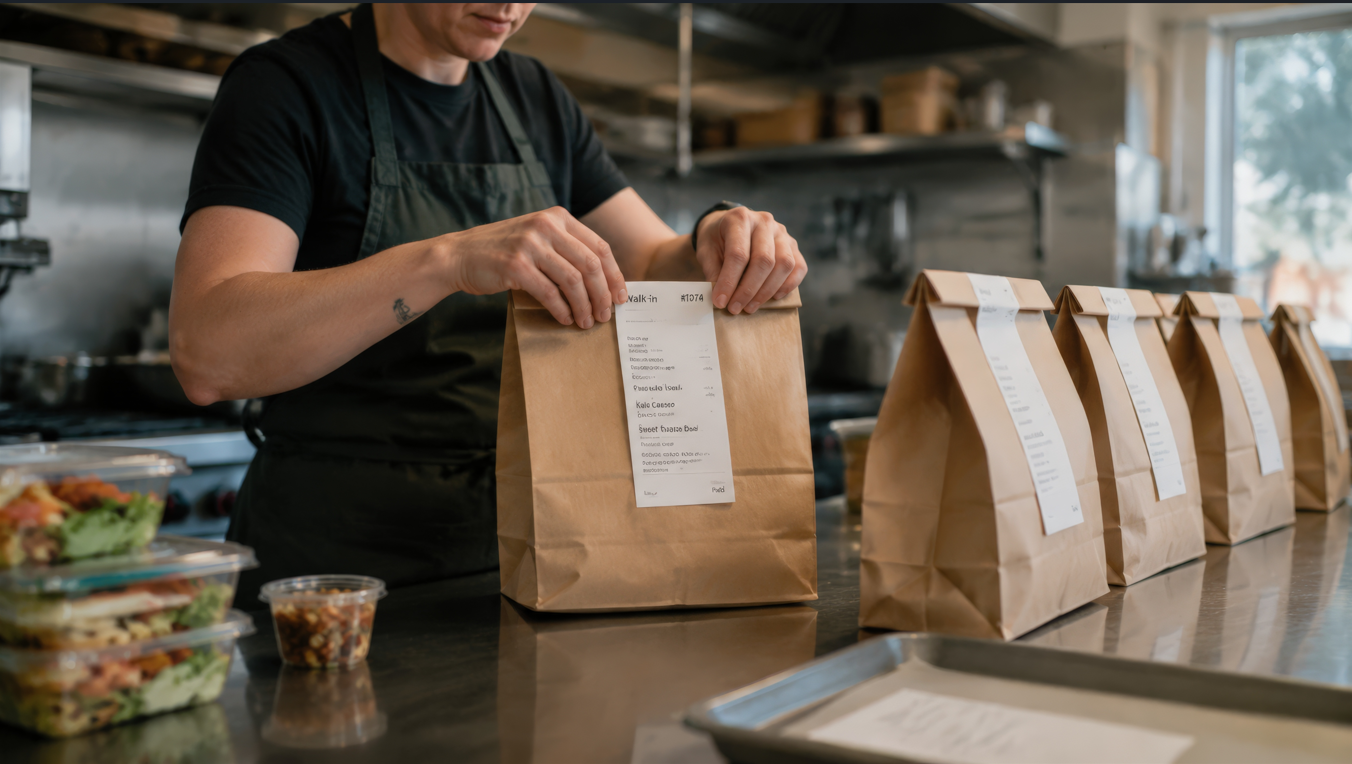
Value today means a frictionless experience without unjustified costs. As budget-conscious diners scrutinize extra charges, 61% have abandoned delivery orders simply because service fees felt too high. This "fee fatigue" is sparking a massive shift toward pickup, with nearly half of diners (47%) now actively choosing to purchase fast food directly at the restaurant instead of using third-party apps.
To win these diners back, operators must aggressively optimize their first-party channels. By orchestrating a seamless, direct pickup and curbside experience, brands can capture this returning demand and deliver the exact combination of quality, speed, and convenience that today’s diners consider truly valuable
#3 The cost of disconnected tech
Diners demand the efficiency of digital tools combined with the benefits of personal interaction, but new technology must elevate the experience, not complicate it.
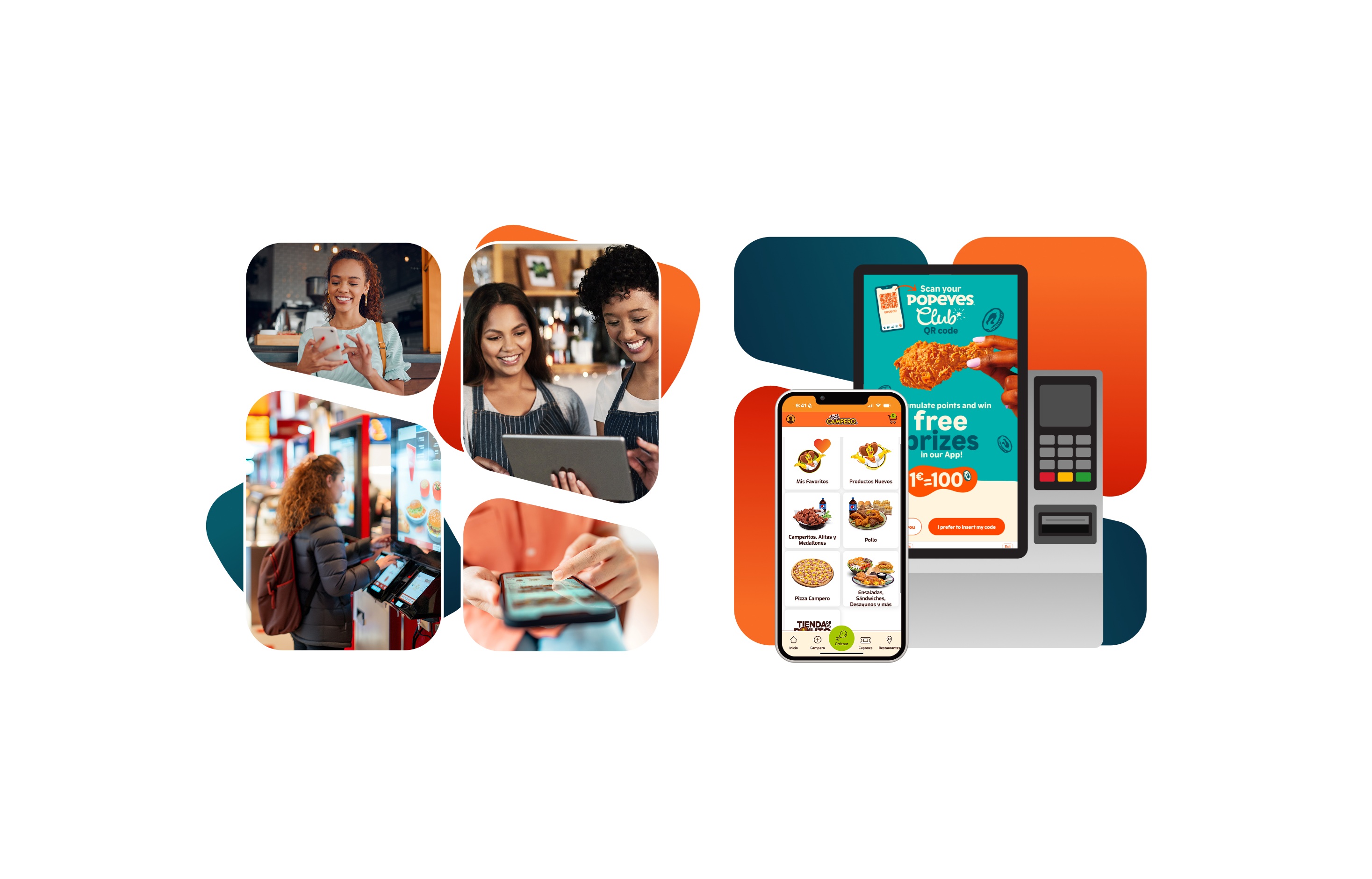
For instance, 71% of diners say they are equally or more satisfied ordering via a self-service kiosk compared to a cashier, largely because they feel less rushed and more in control of their order.
However, disconnected systems and siloed channels are actively destroying these benefits. When digital ordering doesn't translate cleanly to the physical restaurant, guests feel the friction. For example, 31% of diners cite confusing interfaces as a primary reason kiosks fail, and 30% report being redirected from a kiosk to the counter just to finish placing their order. Furthermore, 23% are frustrated by the inability to seamlessly redeem loyalty points on-premise
To succeed, brands must ensure that all digital and physical touchpoints run on a unified, friction-free system. This means keeping mobile apps hyper-focused on ease of use, ensuring kiosks share the exact same logic and loyalty integrations as your app, and eliminating the digital-to-physical disconnects that force guests to restart their orders.
Want to read the full report?
Download the full 2026 Phygital Index Report today to discover how your brand can orchestrate the future of dining.