
|
Published on:
April 23, 2026
|
Published on:
April 23, 2026
Using Custom Kiosks to Improve Restaurant Ordering and Strengthen Brand Identity
Learn how to use custom restaurant kiosks to streamline ordering, boost accuracy, reflect your brand, and deliver smarter, data-driven guest interactions.
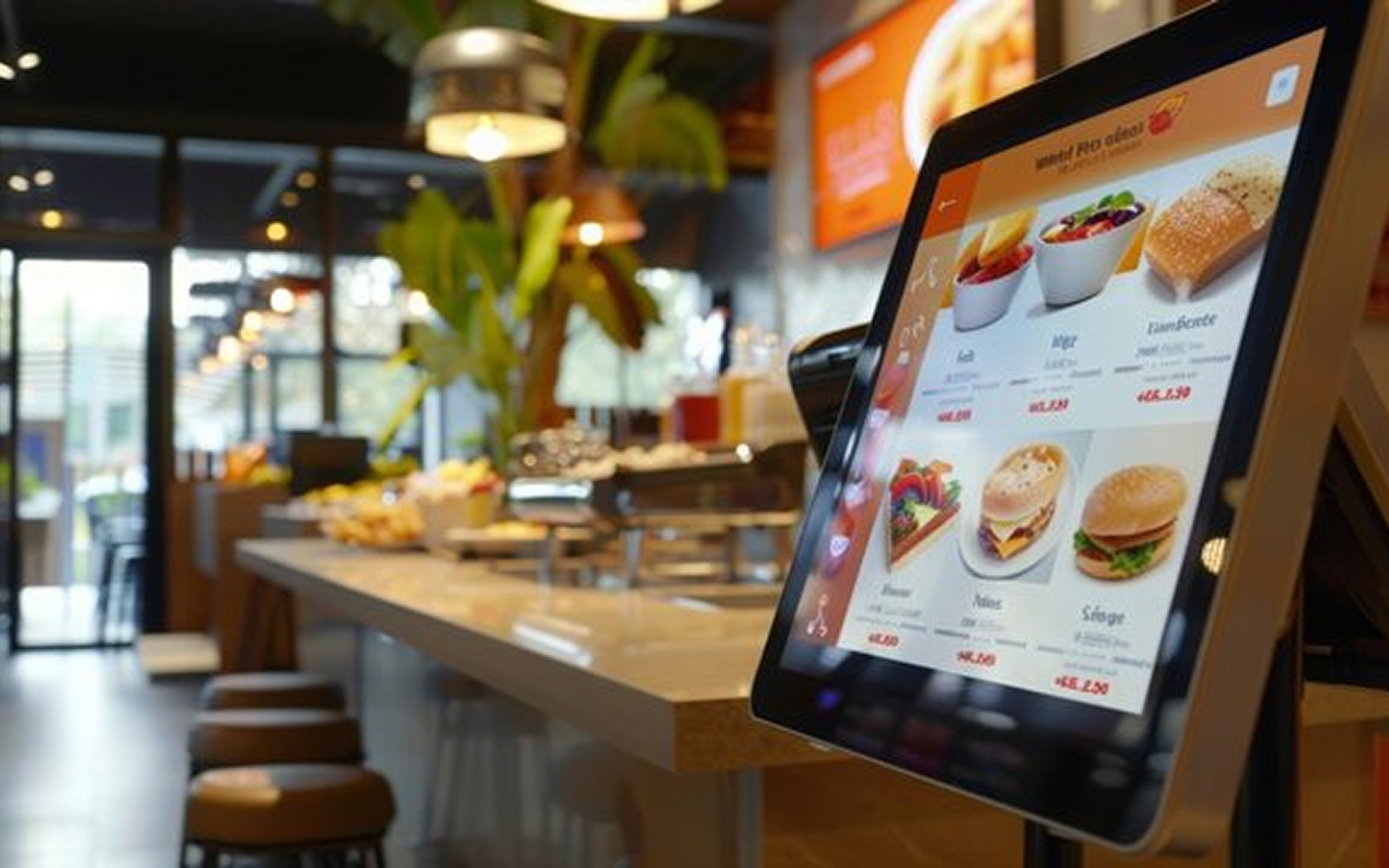
Restaurant kiosks have come a long way from being simple line-busting tools. What began as a convenient way to speed up orders has evolved into one of the most influential touchpoints for modern quick-service and fast-casual businesses. Today, kiosks sit at the powerful intersection of design, data, and brand storytelling.
The best kiosk experiences create seamless, human-centered moments that enhance the overall dining journey. They give guests more control over how they order, more confidence that their order is accurate, and more consistency across visits and locations.
The brands that recognize this opportunity are designing kiosks not just for efficiency, but for experience: experiences that reflect their visual identity, support their unique operations, and plug directly into the same POS and store systems that power the rest of the business.
Why kiosk customization is key to better guest experiences
Using a one-size-fits-all kiosk solution risks creating friction, with greater potential for confusing menu layouts, inconsistent branding, or missed opportunities for upselling and engagement. It can also lead to gaps in the experience if the kiosk doesn’t align with your store’s POS configuration or menu logic.
When restaurants tailor their kiosks to match their brand identity and customer journey, they create experiences that feel natural, familiar, and genuinely helpful. The ability to customize your kiosks ensures they reflect not only the visual elements of your brand but also the operational flow of your restaurant.
Here’s how custom kiosks create better outcomes for brands and their customers:
Kiosk customization is key to authentic brand expression
Kiosks should embody your restaurant’s personality, carrying your brand’s visual and experiential identity into the physical space. When the interface mirrors your brand's voice, menu logic, and customer journey, it creates comfort through recognition and consistency.
Here’s how custom kiosks bring your restaurant’s identity to life:
- Reflecting your brand beyond colors and logos—through menu category order, item grouping, and feature placement.
- Supporting your specific restaurant type: for example, a family-focused brand may lead with combos or kids meals, while a premium brand might highlight limited-time offers with rich visuals.
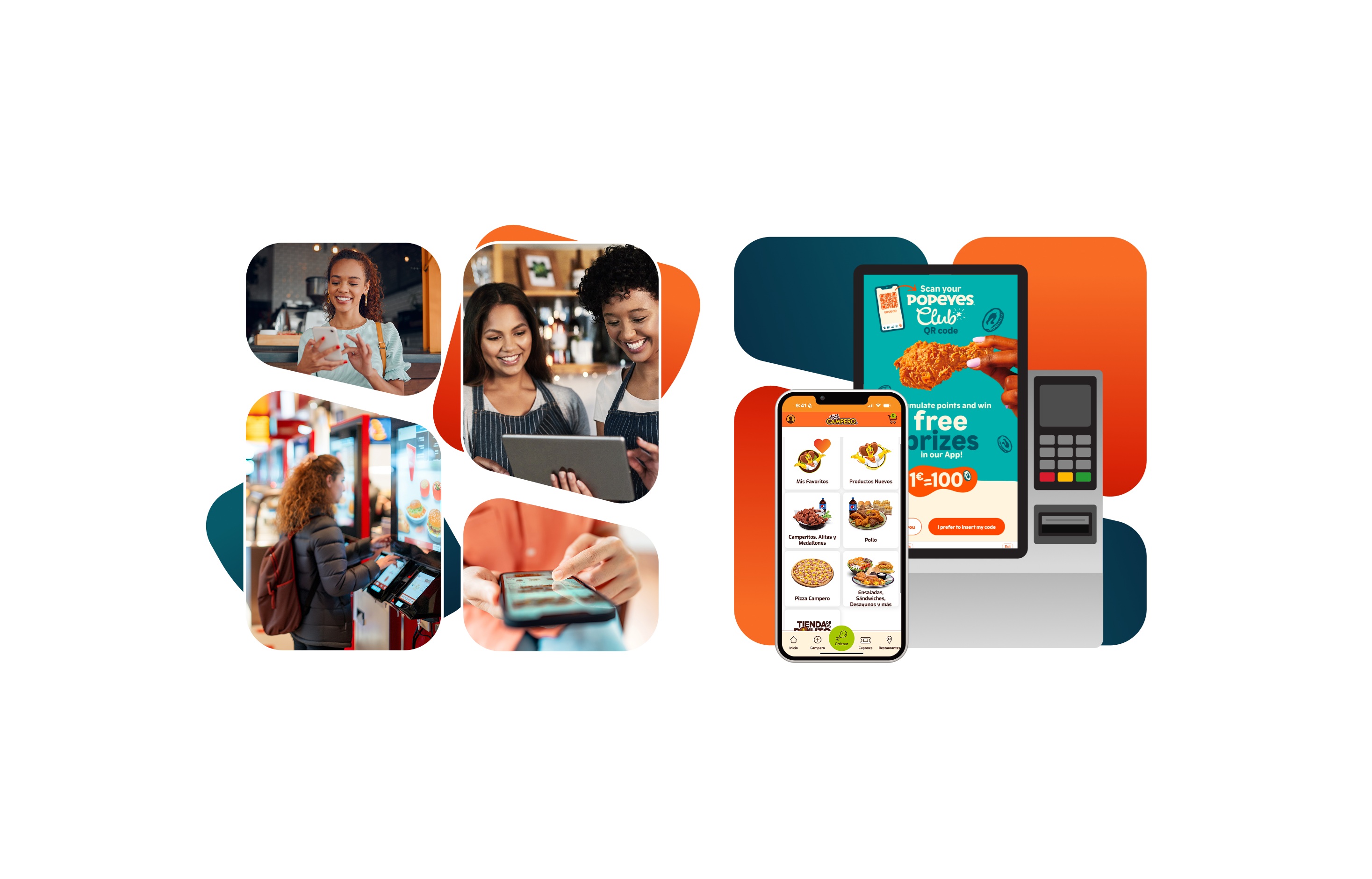
- Ensuring consistency with mobile, web, and in-store experiences so guests don’t have to relearn how to order.
- Leveraging configurable flows to create memorable, on-brand ordering moments.
Kiosk customization powers better personalization
Personalization at kiosks is strongest when powered by real-time store insights, contextual signals, and sales patterns. Using localized data and intelligent recommendation logic, kiosks adapt to what matters most at that specific store and time of day.
Customizable restaurant kiosks leverage your brand’s specific profile and order data to:
- Serve dynamic recommendations based on time of day, trending items, or store-level purchase patterns.
- Adjust prompts by context—such as breakfast vs. lunch, seasonal items, or region-specific favorites.
- Automatically update suggestions in the cart as items are added or removed.
- Provide guests with relevant, situational suggestions that feel helpful and timely, improving both experience and revenue.
Kiosk customization is needed for better operations
Operationally strong kiosks balance branding with fundamentals like accessibility, localization, and clarity. These elements ensure every guest—regardless of ability, language, or ordering preference—can complete an order confidently and without friction.
Customizable kiosk experiences allow you to tailor the ordering experience for your restaurant operations by:
- Supporting accessibility through adjustable font sizes, clear touch targets, and multi-language options that accommodate diverse guest needs.
- Reflecting store-level realities with menus that automatically update for item availability, regional differences, and daypart shifts.
- Maintaining operational accuracy by staying tightly aligned with the POS for pricing, inventory, and disposition options like dine-in, takeout, or drive-thru.
- Enabling seamless loyalty and coupon experiences (when integrated) that fit naturally within the ordering flow without adding steps or confusion.
- Improving reliability with consistent, intuitive workflows that reduce errors, increase throughput, and create a smoother, more dependable guest experience.
How to create a high-performing kiosk experience
Guests don’t want to think about how to use a kiosk—they expect it to feel intuitive from the first tap. The best kiosk designs anticipate decisions, simplify choices, and maintain momentum throughout the ordering journey. For operators, a thoughtfully designed kiosk translates directly into higher order accuracy, faster throughput, and increased check averages.
To build a truly high-performing kiosk experience, restaurants should focus on three core areas:
Designing guest-first flows that guide, not overwhelm
Modern kiosk UX is built around flow, not features. A guest-first flow reduces cognitive load, makes complex menus feel simple, and ensures clarity from start to finish. Tillster’s kiosk software applies years of ordering insights to architect flows that feel intuitive to guests while driving measurable operational gains. Here are some key components you should consider:
- Reduce decision fatigue: Group menus logically and lead with best-sellers, combos, and limited-time offers
- Guide guests visually: Use clear imagery, cues, and progress indicators to help guests move confidently through each step.
- Minimize unnecessary steps: Keep navigation consistent with predictable “next” actions and clean confirmation points.
- Use visual storytelling: Leverage rich imagery and motion to highlight premium or seasonal items.
- Adapt by daypart: Configure the interface to shift automatically based on breakfast, lunch, or dinner ordering patterns.
Turning kiosk interactions into actionable menu intelligence
Every tap on a kiosk offers insight into guest behavior—what they notice, what they skip, and what they ultimately buy. Tillster kiosks help brands continuously refine menu structure, upsells, and screen flows by collecting this important behavioral data.
To turn kiosk interactions into actionable insights, operators can:
- Measure item-level engagement: Understand which items attract attention and which lead to abandonment.
- Optimize layouts using real performance data: Evaluate tap-through rates, completion percentages, and flow efficiency.
- Refine upsells and cross-sells: Identify which prompts convert most effectively at each store.
- Test new products with immediate feedback: Assess whether new items need different placement, pricing, or modifier clarity.
Operational alignment that keeps the experience consistent
A kiosk interface is only as strong as the systems behind it. True guest satisfaction comes from operational alignment — ensuring the kiosk, POS, kitchen, and loyalty systems work together seamlessly. Tillster’s kiosks integrate with these systems so the experience stays consistent from the moment a guest starts an order to the moment it’s fulfilled.
To keep the entire ordering experience consistent behind the scenes, kiosks must:
- Connect directly to the POS through a local mesh architecture: Ensure pricing, availability, and dispositions remain accurate—and keep kiosks fully operational even if the store’s internet goes down.
- Integrate with kitchen display systems (KDS): Improve prep accuracy and reduce errors.
- Connect with promise-time engines: Adjust order timing dynamically based on store volume and menu complexity.
- Sync with loyalty and marketing systems: Enable relevant offers, rewards, and consistent brand engagement.
This level of integration benefits both guests and staff. Guests experience shorter waits and greater transparency, while employees can focus on hospitality instead of order management.