
|
Published on:
April 9, 2026
|
Published on:
April 9, 2026
Kiosks for Restaurants: How Self-Ordering Kiosks Improve Operations and the Guest Experience
Learn why restaurant kiosks are on the rise and what makes them effective for improving throughput, order accuracy, labor efficiency, and guest satisfaction.
Restaurant operators are under constant pressure to move faster, do more with fewer staff, and deliver a consistently great guest experience across every location. As expectations for convenience rise, self-ordering kiosks have become a proven way to modernize the ordering process while keeping operations efficient and scalable.
Today, hundreds of thousands of quick-service restaurant locations use kiosk systems as a core part of their front-of-house strategy. In this blog, we explain why kiosks have exploded in popularity and what makes modern restaurant kiosk systems effective.
Why restaurants are turning to self-ordering kiosks
Many guests want a contactless, intuitive way to place orders on their own terms. Self-service kiosks meet that expectation while helping restaurants reduce friction during busy periods.
When implemented correctly, a restaurant kiosk can:
- Reduce wait times and increase throughput during peak hours
- Reduce perceived wait times by giving guests immediate access to ordering
- Make it easier for guests to discover menu items and customize orders at their own pace
- Improve order accuracy by eliminating misheard or rushed counter orders
- Help manage rising labor costs without compromising service
- Increase upsells through smart recommendations
Customers like kiosks because they put them in control. Guests can take their time, explore the menu, customize without pressure, and order without feeling rushed or judged—especially during peak periods. The experience feels calmer, more transparent, and more predictable.
In fact, data from Tillster’s 2025 phygital index report shows that the majority of customers who’ve used kiosks want to see more of them implemented at their favorite restaurants.
What makes a modern restaurant kiosk system effective
Not all kiosks are created equal. The most effective self-ordering kiosk systems are designed as part of a restaurant’s broader operating model—integrating seamlessly with existing technology, adapting to different environments, supporting staff, and scaling reliably across locations. These capabilities are what separate basic hardware deployments from kiosks that drive real operational and guest experience gains:
#1 Seamless POS integration
An effective restaurant kiosk system should integrate directly with the point of sale and kitchen systems already in place. Without tight POS and KDS integration, kiosks create extra steps for staff, introduce delays, and increase the risk of errors—undermining the efficiency they’re meant to deliver. True integration ensures kiosk orders follow the same workflows as counter, mobile, and web orders, keeping pricing, reporting, and inventory consistent across channels.
For example, Tillster’s kiosk software connects directly to a restaurant’s POS and kitchen display system (KDS), allowing orders to flow in real time without manual re-entry. This helps operators streamline operations while maintaining accurate data and unified reporting across the business.
#2 Flexible hardware options for any environment
No two restaurant layouts are the same, so a modern kiosk solution should support multiple hardware configurations. Flexibility matters because placement affects guest flow, accessibility, and how effectively kiosks reduce congestion during peak periods. The right form factor allows kiosks to complement—not disrupt—the front-of-house experience.
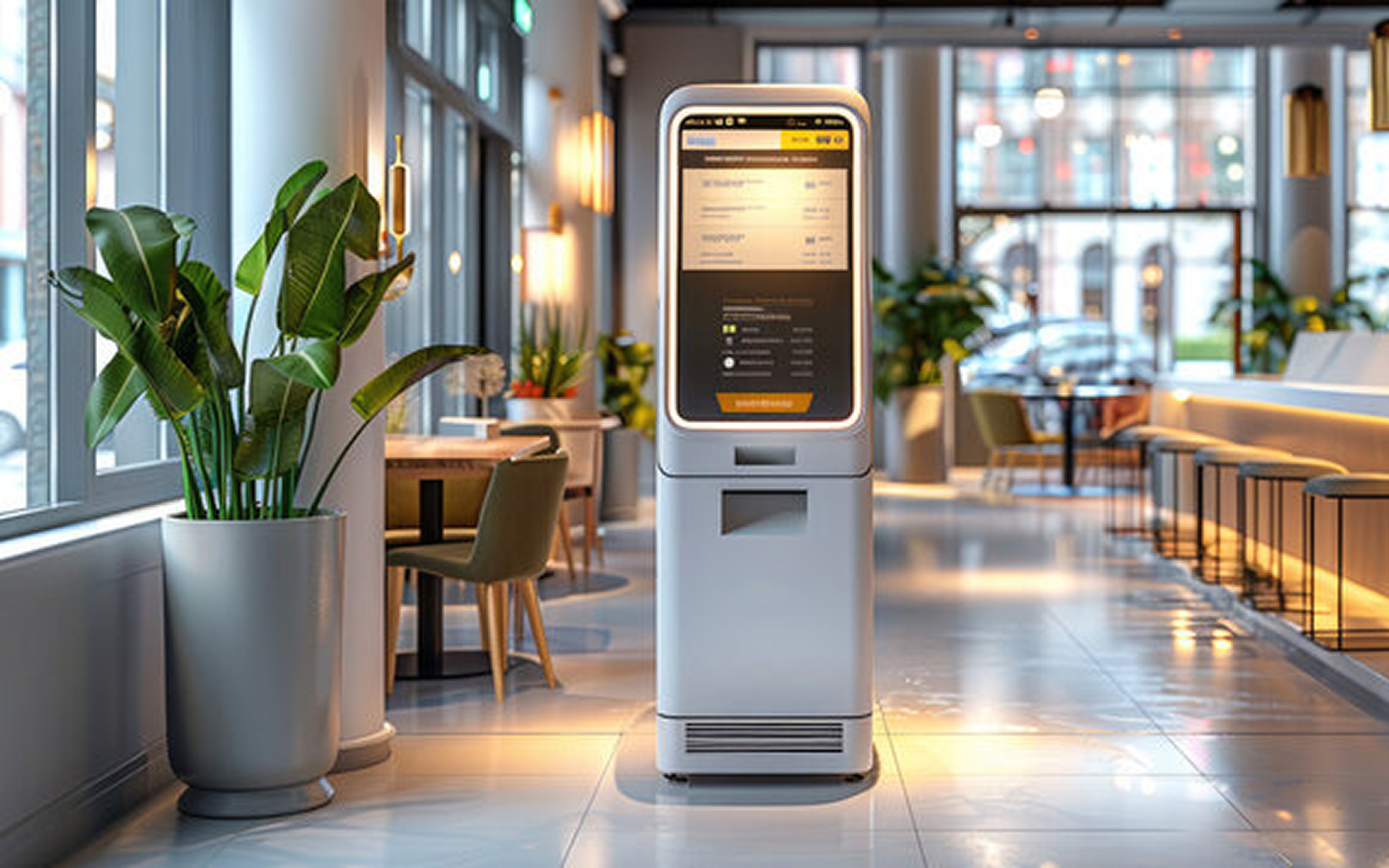
Tillster supports freestanding kiosks for main dining areas, countertop kiosks for smaller footprints, and wall-mounted kiosks to maximize floor space. This flexibility allows brands to tailor deployments to individual locations while maintaining consistency across a multi-unit fleet.
#3 Designed for upselling without pressure
The most effective kiosks intuitively guide guests through order flows. A well-designed kiosk experience uses visual cues and contextual prompts to surface relevant add-ons, upgrades, and combos—without overwhelming guests or slowing down service. Because guests are self-directed, upselling feels helpful rather than pushy.
With Tillster kiosks, Recommender AI helps power these experiences by surfacing relevant menu suggestions at natural points in the ordering flow. Recommendations can be informed by ordering behavior, store-level context, or broader market trends, making upsells feel intuitive while helping increase average check size without compromising a guest-first experience.
For example, a guest ordering a burger may see a prompt to make it a combo, add fries, or upgrade to a premium side, while a breakfast guest might be shown a coffee or pastry add-on.
#4 Improving the front-of-house operations and throughput
By shifting routine ordering to self-service, kiosks free staff to focus on hospitality-driven tasks like greeting guests, answering questions, managing order handoff, and resolving issues. When kiosks are intuitive and easy to use, guests move through orders more quickly and confidently, which directly improves throughput during busy periods.
Tillster kiosks, streamlined interfaces, and guided flows help reduce friction at the point of order. This allows restaurants to relieve counter bottlenecks and handle higher order volumes during peak times.
#5 Connected digital ordering and loyalty
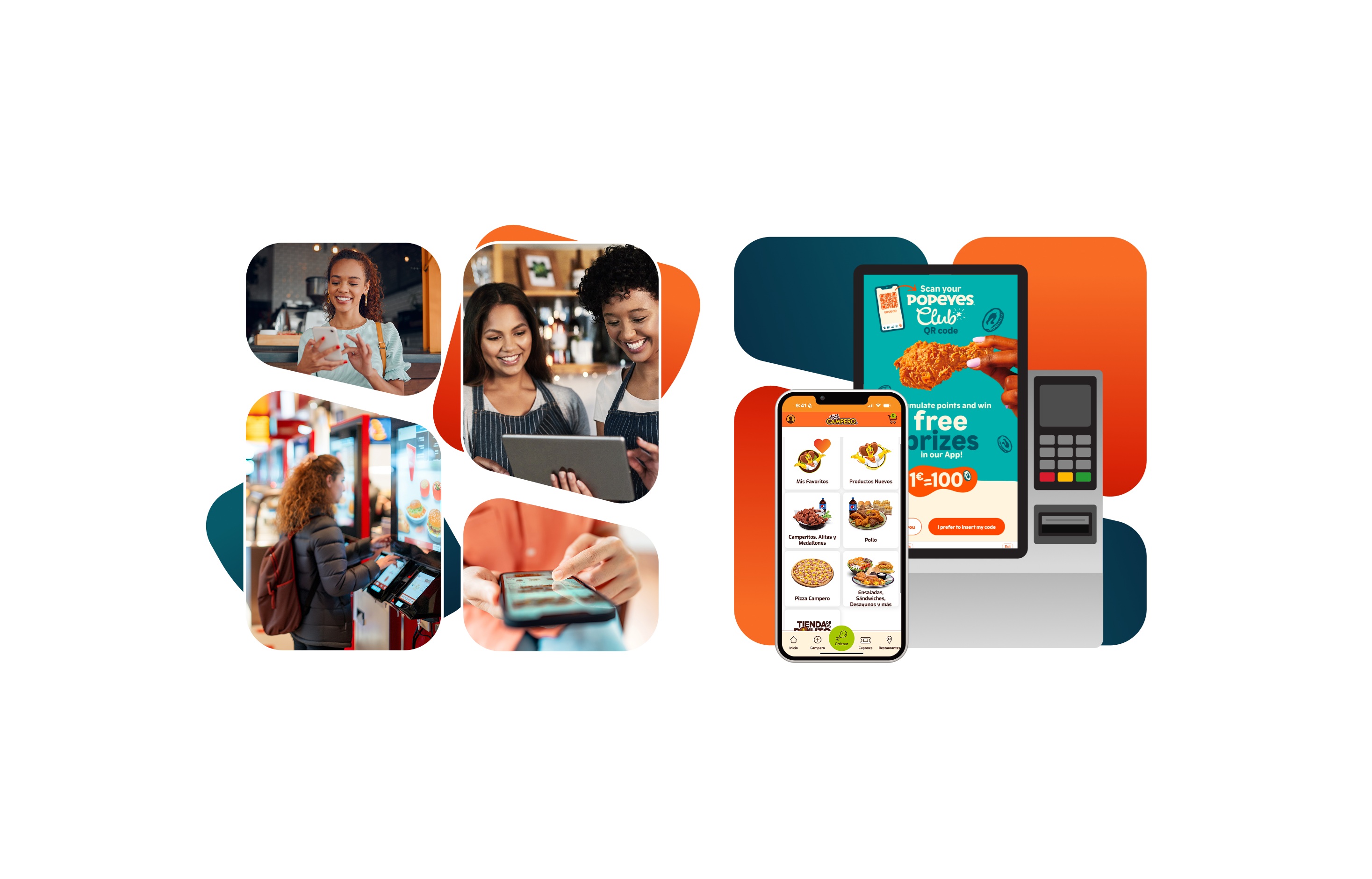
A modern kiosk system should be part of a unified digital ecosystem, not a siloed channel. Guests expect consistency across kiosks, mobile apps, and web ordering—especially when it comes to menus, pricing, payments, and loyalty rewards. Connected experiences drive familiarity, trust, and repeat visits.
Tillster enables seamless loyalty and coupon experiences that fit naturally within the ordering flow without adding steps or confusion.
#6 Built for reliability and support at scale
For enterprise and multi-unit brands, reliability matters as much as functionality. A modern kiosk system must perform consistently across locations, support centralized updates, and minimize downtime—especially during peak hours. Built-in monitoring and proactive support help operators identify issues quickly and keep front-of-house operations running smoothly.
With Tillster kiosks, enterprise-grade support, and system monitoring, ensure consistent performance at scale. Kiosks are designed to remain operational even if internet connectivity is disrupted, allowing guests to continue ordering without interruption. In addition, the Tillster Beacon App enables remote kiosk monitoring, giving teams visibility into kiosk status across locations and helping address issues before they impact the guest experience.
#7 Customizable and brand-forward
An effective kiosk system should feel like a natural extension of the brand—not a generic piece of hardware. Customizability matters because guests expect the same look, tone, and personality they experience on a restaurant’s app, website, and in-store environment. From visual design to ordering logic, kiosks should support brand standards while accommodating complex menus and regional variations.
With Tillster, brands can customize the kiosk interface to reflect their unique identity, including colors, imagery, language, and menu structure. This flexibility allows restaurants to maintain brand consistency across locations and channels while supporting advanced customization needs—helping kiosks feel familiar, intuitive, and unmistakably on-brand.
Is a restaurant kiosk right for your brand?
Whether you’re piloting your first self-ordering kiosks or expanding an existing deployment, the right solution should support your operations—not complicate them. Kiosks are most effective when they’re implemented as part of a broader strategy to improve throughput, consistency, and the guest experience across every location.
The best results come when kiosks are:
- Fully integrated with your POS system and kitchen workflows
- Easy and intuitive for guests to use during both peak and off-peak hours
- Flexible enough to adapt to different store layouts, operational needs, and brand standards
- Reliable and scalable, with enterprise-grade software and support
If you’re exploring kiosks as part of a broader strategy to modernize your ordering experience, Tillster offers a scalable approach built specifically for restaurants like yours.
See how Tillster’s kiosk solution fits into your front-of-house and digital ordering ecosystem.