
|
Published on:
November 10, 2026
|
Published on:
November 10, 2026
How to Increase Restaurant Orders with Better Segmentation
Learn how to increase restaurant orders with guest segmentation. 5 strategies to drive repeat visits and protect margins without blanket discounts.
Send "20% off" to your whole list, and you'll get a traffic spike. But look closer at who redeemed: a large share of those orders came from regulars who were going to order this week anyway. You paid margin for behavior you already had, and the lift fades the day the promo ends.
Brands that grow visit frequency profitably in 2026 work differently. They segment guests by how each person actually orders, then build offers that only pay out when behavior changes. Below are five plays you can run, and what it takes to make them work.
5 segmentation strategies that drive repeat orders
Every play below depends on knowing each guest's baseline: how often they order, what they spend, which channel they use, and what time of day they show up. A receipt alone can't tell you that, especially when the same guest orders on the app Monday, walks in Wednesday, and uses a kiosk Friday.
A customer data platform (CDP) stitches those touchpoints into a single profile. The better ones also run dynamic segments, so guests move in and out of audiences automatically as their behavior changes.
#1 Set personal frequency goals
Group guests into low-, mid-, and high-frequency tiers based on their own ordering history. Give each tier a short challenge, such as a set number of orders in seven days, with a reward that unlocks only when the goal is met. If behavior doesn't change, the reward never fires, and you pay nothing.
In a Tillster campaign across three brands, three countries, and 40,000+ users, challenge completers were 2.3x more likely to increase order frequency than non-participants. The campaign generated 6,000+ incremental orders with a 10% redemption rate.
Why the completer numbers matter: Completers placed 1.7 more orders on average than guests who didn't finish the challenge. The more telling number is that 75% of completers ordered above their own historical average. Each goal was set against that guest's personal baseline, so those orders came from changed behavior. And because the reward only paid out after the goal was met, promo spend went to guests who actually ordered more. That efficiency is also what lets you offer a richer reward without blowing up campaign cost.
Point the same mechanic at a daypart a guest never uses. A loyal weekday lunch guest gets a reason to try an afternoon snack window, which adds a new visit to their week.
#2 Intervene when visits start to slip
A 60-day "we miss you" email often arrives after the guest has already found a new habit. Watch each guest's normal ordering interval instead. When a weekly regular goes quiet for 10 or 12 days, send a modest nudge tied to their favorite category. Save the bigger win-back offer for guests who stay inactive.
Tillster's preemptive offers have averaged a 10% frequency lift, and its multi-stage reactivation flows for guests inactive 60+ days produced a 23% lift in returning customer orders.
For example, a guest who orders lunch most Tuesdays hasn't ordered in 11 days. They get a push offering double points on their usual category for the next five days. If they're still quiet at 30 days, a medium-value offer follows. The full win-back offer goes out only if they reach 60 days.
#3 Target guests most likely to order this week
Machine learning models can score each guest's likelihood to purchase in the next seven days using signals like app opens, menu browsing, and time-of-day habits. Concentrate offers on the top of that list, where a small push is most likely to turn into an order.
In a live Tillster client campaign, guests in the top decile of likelihood to purchase who received a 7-day in-app coupon and push notification ordered at a 61% higher rate than the baseline group.
#4 Move delivery regulars to pickup
Frequency is worth more when it runs through your most profitable channel. Build a segment of guests with three or more delivery orders last month and zero pickup orders. Offer a free side or drink, valid only on an order-ahead pickup in the next seven days.
The side costs far less than the third-party fees you avoid on that order. And once a guest tries a smooth pickup, they're more likely to repeat it.
To make the campaign work:
- Size the reward to your math. Compare the food cost of the free item with the fees and commission you avoid on one delivery order. The reward should be clearly smaller.
- Trim the segment. Leave out guests who live too far from a store for pickup to be realistic.
- Follow up after the first pickup. A second pickup offer a week later gives the new routine a chance to stick.
- Measure past the first order. Track how many guests place a second pickup order within 30 days, and confirm their total visits hold steady or rise.
#5 Set spend thresholds per guest
A flat "$5 off $30" is a stretch for a solo lunch guest and a freebie for a family buyer. Segment by historical average order value and set each guest's threshold slightly above their own baseline, so the offer feels reachable and still grows the check.
In a Tillster customer campaign, guests who received AOV-tiered offers spent 21% to 58% above their historical averages. When the same approach reactivated lapsed guests, they returned spending 30% to 51% more than before.
To apply the strategy:
- Keep the jump small. A threshold far above a guest's baseline reads as out of reach, and they ignore it.
- Make relevant add-ons easy to discover. Suggest add-ons at checkout when a guest's cart is close to their threshold.
- Update segments as behavior changes. With dynamic thresholds, guests shift tiers automatically when average spend changes, keeping offers relevant over time.
Where to start with restaurant guest segmentation
Pick one play and one segment. Spend thresholds by AOV and slipping-regular nudges are the easiest to launch, because they run on data you already have and the payoff shows up within a few weeks. Measure against a control group, then add the next play.
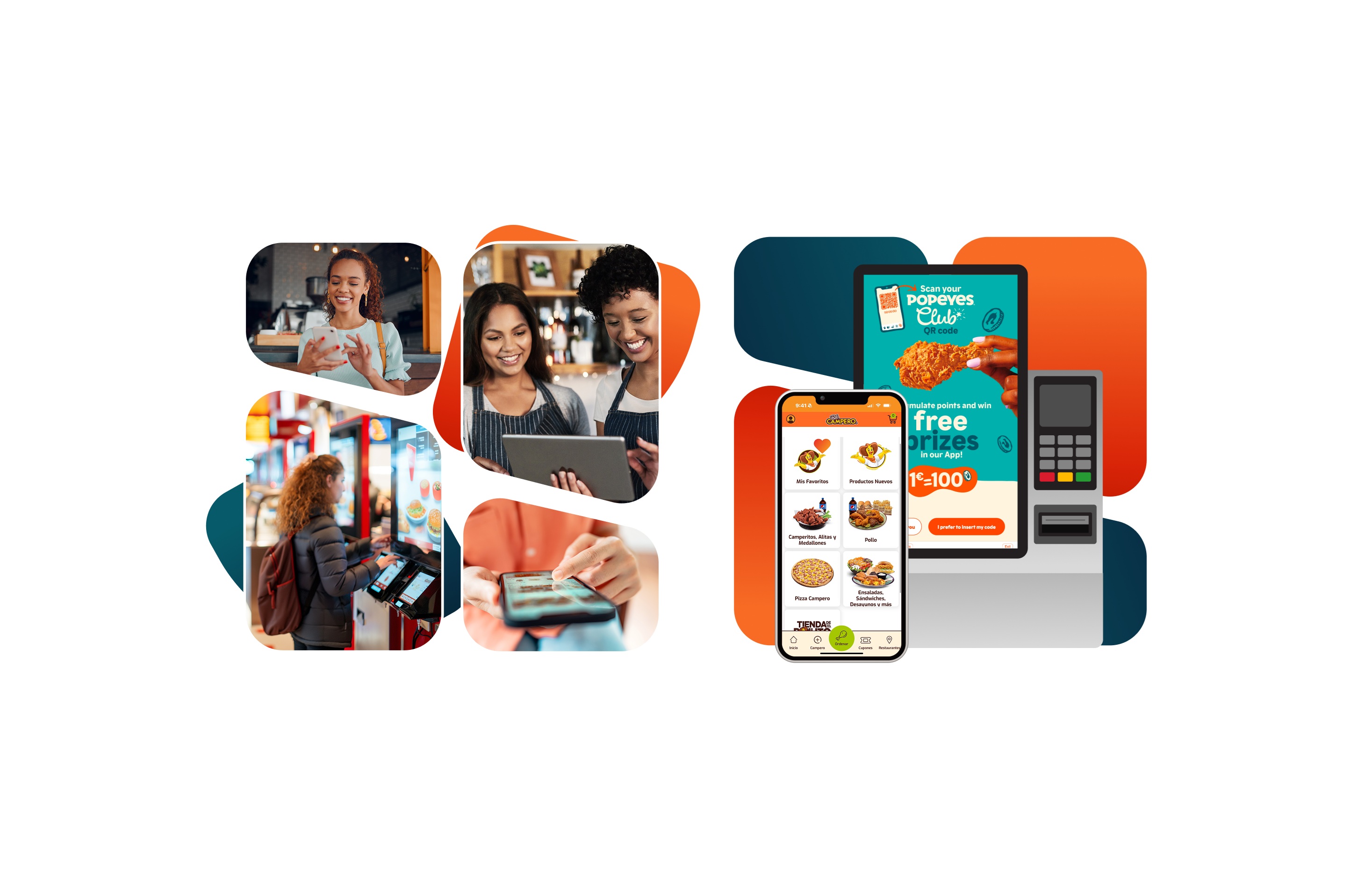
Platforms like Tillster bring the pieces together: a CDP that tracks 100+ guest traits and events, predictive scoring, automated campaign triggers, and an account-locked wallet that redeems across web, app, kiosk, and POS.
Ready to put guest segmentation to work for your brand?