
|
Published on:
April 24, 2026
|
Published on:
April 24, 2026
How Restaurant Technology is Changing with Restaurant Tech 2.0
Learn how restaurant technology is changing with Restaurant Tech 2.0—covering ordering orchestration, unified systems, and real-time personalization to improve operations and loyalty.
Channel sprawl, fee fatigue, and loyalty erosion are exposing the limits of restaurant technology. The industry is experiencing a paradigm shift where “Tech 1.0” systems built to accelerate growth are now stifling operations and alienating guests.
For years, success was defined by capturing digital volume: more orders, more channels, more reach. Fragmented tech solutions were bolted together to achieve these goals.
This approach is now overwhelming kitchens and crew members—leading to missed promise times, longer waits, and turning digital from a growth engine into an operational strain.
The future belongs to brands that bring their digital demand, kitchen capacity, and guest experience together into one smoothly synchronized system. This is Restaurant Technology 2.0—a shift from passively capturing transactions to actively orchestrating operations and the guest experience in real time.
The hidden costs of a disconnected tech stack are already showing up in consumer behavior, according to consumer data from our 2026 restaurant industry report:
- 45% of diners say their favorite restaurant chain has changed in the past year, proving that traditional habitual loyalty is crumbling.
- 61% of diners have walked away from an order because delivery or service fees felt too expensive.
- 31% of guests cite confusing interfaces as a primary reason on-premise kiosks fail, highlighting the friction caused when digital and physical systems don't match.
How restaurant technology is changing
Tillster has put together a blueprint for the next era of restaurant growth. In our latest whitepaper, we break down how to move from chasing digital volume to intelligent orchestration, providing actionable strategies across three key areas.
Ordering orchestration: managing throughput, not just volume
In the "Tech 1.0" era, restaurant systems were built with a critical flaw: they blindly accepted digital demand across every channel, without much regard to how it impacted the kitchen or the guest experience.
Raw order volume can be actively harmful if it destroys your execution quality and creates chaotic lobby bottlenecks.
Restaurant Tech 2.0 introduces ordering orchestration, which flips this dynamic by turning your ordering system into an intelligent traffic controller.
By deploying capacity-aware intelligence, you can automatically adapt to peak rushes in real-time—whether that means extending ready times, capping item quantities, or temporarily pausing third-party delivery channels.
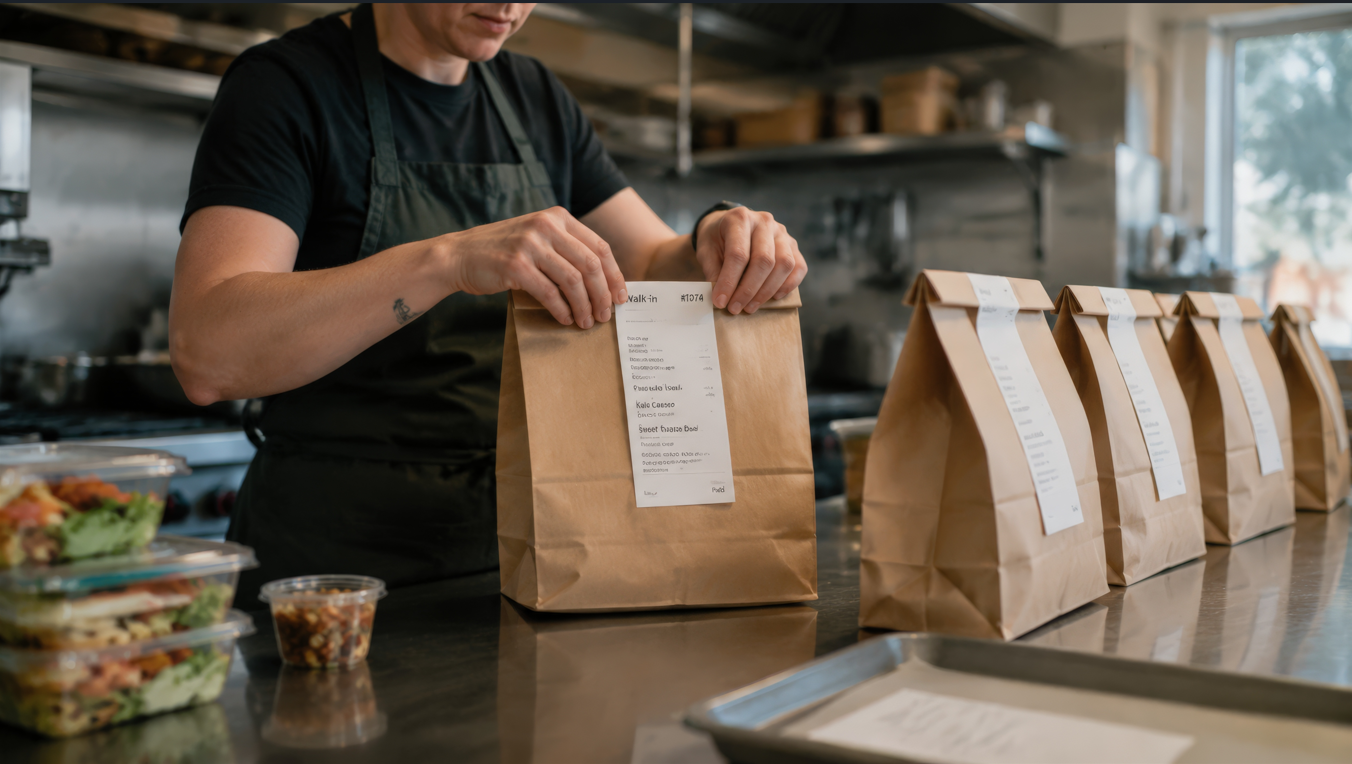
This shift allows you to fiercely protect your staff from being overwhelmed, guarantee accurate promise times, and intentionally design digital pickup as a highly profitable core fulfillment path rather than an operational afterthought
Guest engagement and loyalty orchestration: moving away from mass blasts to precision relevance
Traditional loyalty programs are fundamentally broken because they only reward frequency after a pattern is established, completely missing the crucial, early warning signs of guest churn.
With an alarming 45% of diners abandoning their favorite brands over the past year, operators can no longer afford to rely on static, one-size-fits-all discounts to maintain their base.
Restaurant Tech 2.0 introduces loyalty and engagement orchestration, shifting the focus entirely to behavior-based interactions. By leveraging real-time behavioral signals—such as a sudden gap in visits or a shift in order frequency—brands can trigger hyper-personalized incentives exactly when they matter most, intercepting guests to reinforce habits before they completely break.
When paired with dynamic digital menus that instantly adapt to a diner's specific past preferences, upselling transforms from a generic, easily ignored push into a highly effective, contextual recommendation.
Bridging the digital and physical divide with unified tech
One of the most persistent, revenue-draining sources of friction in modern restaurants occurs when digital orders fail to seamlessly translate into physical workflows.
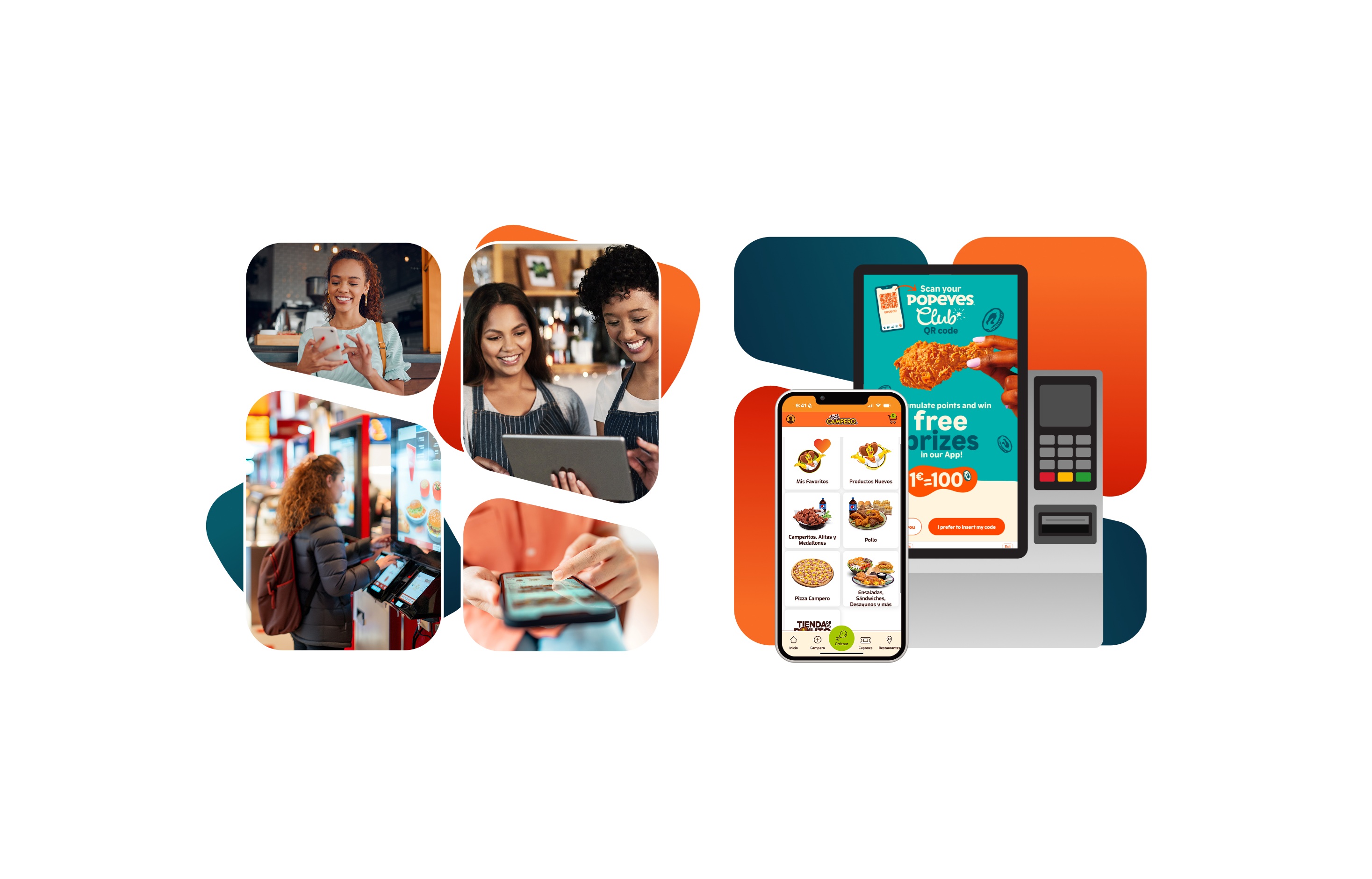
When in-store kiosks, mobile apps, and point-of-sale systems operate in disconnected, fragmented silos, your staff is forced to step in and act as manual translators between these chaotic systems.
This frustration is perfectly exemplified by the 23% of diners who blame the inability to redeem loyalty points for kiosk failures.
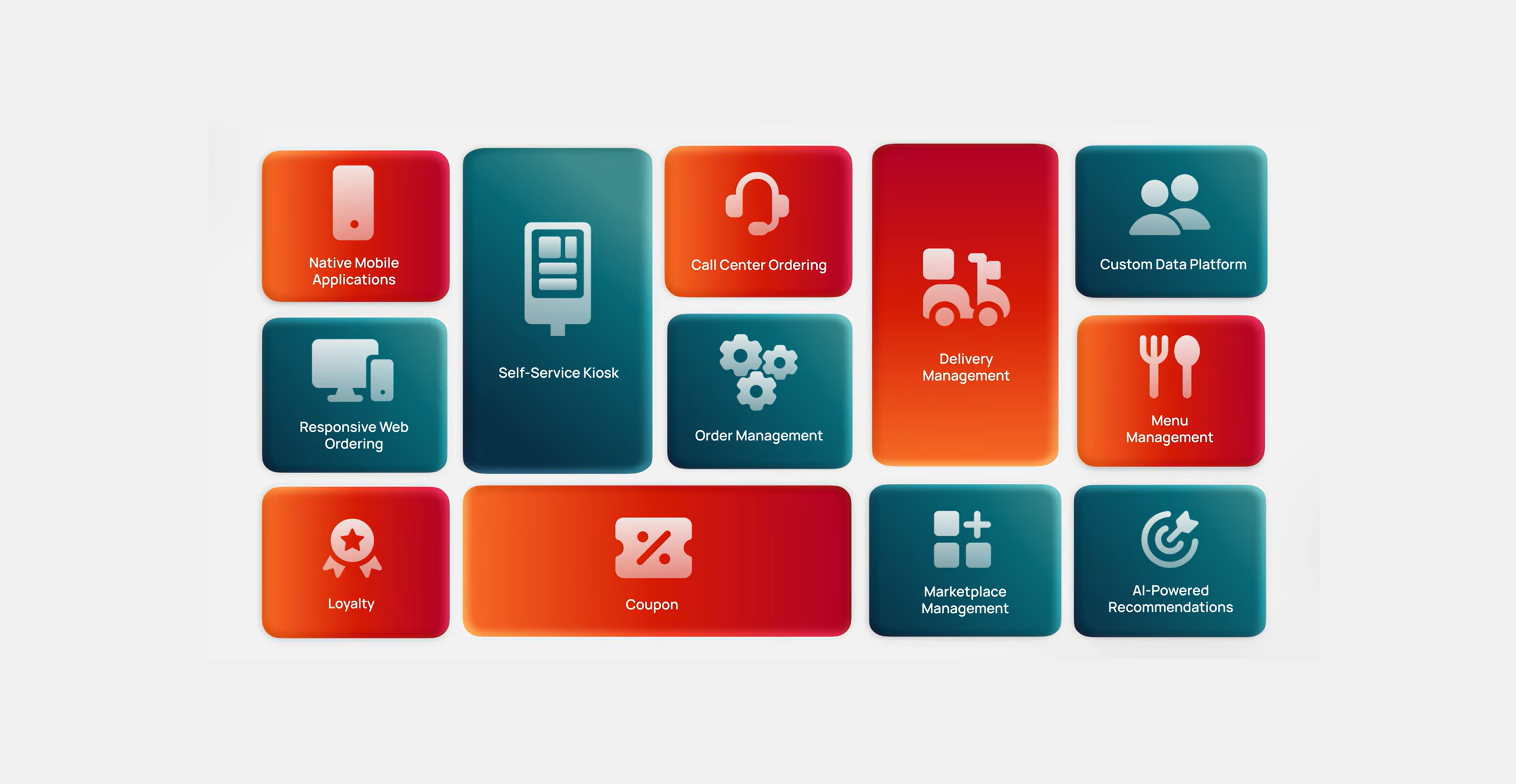
True phygital orchestration completely eliminates this divide through a unified experience architecture. By ensuring that every single digital and physical touchpoint runs on coordinated menu, pricing, and loyalty logic, operators can finally stop managing multiple silos and start being intentional about how the ordering experience shows up everywhere guests order.
Every order flows effortlessly into a shared management layer, perfectly aligning kitchen prep times with actual guest arrivals and delivering a flawless, consistent experience no matter where the transaction begins.
If you want to learn more about how restaurant technology is changing, download Tillster’s full Restaurant Tech 2.0 whitepaper to discover:
- How to stop unmanaged digital order volume from overwhelming your kitchen and destroying the guest experience.
- Strategies to combat fee fatigue and route checkout-abandoning guests back to your owned channels.
- How to reverse the massive brand churn trend—where 45% of diners are abandoning their favorite chain—by leveraging existing channel data to reinforce habits before they break.
- The architectural fix needed to bridge the gap between digital and on-premise ordering.